
Understanding Home Loan Pre-Approval in the Philippines: A First-Timer's Guide
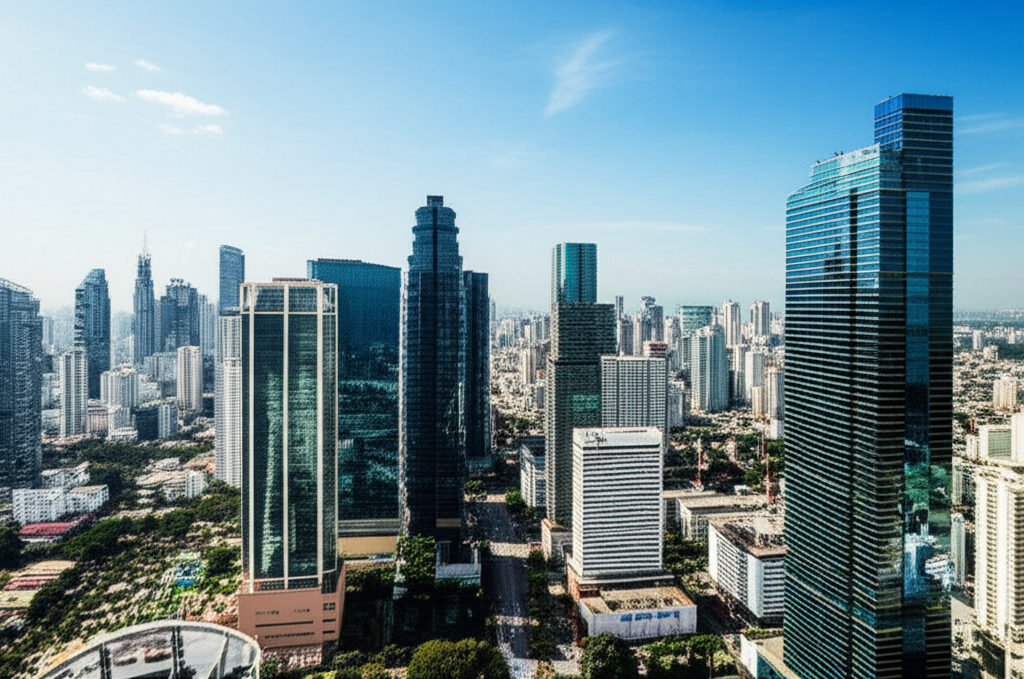
Buying your first home in the Philippines is a huge step! One of the first things you'll likely encounter is the concept of home loan pre-approval. But what is it, and why is it so important? This guide breaks down pre-approval for first-time Filipino homebuyers.
What is Home Loan Pre-Approval?
Pre-approval is an initial assessment from a bank or lending institution that estimates how much you could potentially borrow for a home loan. It's based on your financial information, including your income, credit history, and debts. Think of it as a 'dry run' of your loan application.
Why is Pre-Approval Important?
- Knowing Your Budget: Pre-approval gives you a realistic idea of what you can afford, preventing you from wasting time looking at properties outside your budget.
- Strengthening Your Offer: Sellers often prefer buyers with pre-approval, as it signals that you're a serious and qualified buyer. It gives you a competitive edge, especially in a hot market.
- Faster Loan Processing: Having pre-approval in place can speed up the final loan approval process once you've found your dream home.
How to Get Pre-Approved:
- Gather Your Documents: Banks typically require documents like your employment certificate, payslips (usually the last 3 months), Income Tax Return (ITR), and proof of identification. Check the specific requirements of the bank you're applying to.
- Choose a Lender: Research different banks and lending institutions in the Philippines. Compare their interest rates, loan terms, and fees. Major players include BDO, Metrobank, and Security Bank.
- Submit Your Application: Complete the pre-approval application form and submit it along with the required documents. You can often do this online or in person.
- Wait for the Results: The bank will review your application and inform you of their decision. This usually takes a few days to a week.
Factors Affecting Pre-Approval:
- Credit Score: A good credit score is crucial. Check your credit report with the Credit Information Corporation (CIC) to ensure its accuracy.
- Debt-to-Income Ratio (DTI): Banks look at your DTI, which is the percentage of your gross monthly income that goes towards debt payments. A lower DTI is generally better.
- Employment History: A stable employment history is a plus.
- Down Payment: A larger down payment can increase your chances of pre-approval and potentially lower your interest rate.
Pre-Approval vs. Final Loan Approval:
It's important to remember that pre-approval is not a guarantee of final loan approval. The bank will conduct a more thorough review of your financial situation and the property you're planning to buy before giving final approval. This includes a property appraisal.
Tips for First-Time Homebuyers:
- Shop Around: Don't settle for the first pre-approval you receive. Compare offers from different lenders.
- Improve Your Credit Score: Take steps to improve your credit score before applying for pre-approval.
- Save for a Larger Down Payment: A larger down payment can save you money on interest in the long run.
- Consult with a Mortgage Broker: A mortgage broker can help you navigate the home loan process and find the best deals.
Understanding home loan pre-approval is a vital first step in your home buying journey in the Philippines. By taking the time to prepare and shop around, you can increase your chances of getting approved and finding the perfect home within your budget. Good luck!
About the Author
Admin
Is a dedicated author for Sulitrate, the Philippines' premier home loan brokerage, driven by a passion for helping fellow Filipinos. Through their insightful articles, Admin simplifies the complex mortgage process, empowering readers with the knowledge to make confident financial decisions. Their commitment shines in every piece, reflecting Sulitrate's mission to provide a seamless and transparent path to homeownership.